Enterprises are cutting back on entry-level roles for AI – and it's going to create a nightmarish future skills shortage
AI is eating into graduate jobs, and that brings problems for the internal talent pipeline



-
 What is Microsoft Maia?
Explainer Microsoft's in-house chip is planned to a core aspect of Microsoft Copilot and future Azure AI offerings
-
 If Satya Nadella wants us to take AI seriously, let’s forget about mass adoption and start with a return on investment for those already using it
Opinion If Satya Nadella wants us to take AI seriously, let's start with ROI for businesses


-
 Lloyds Banking Group wants to train every employee in AI by the end of this year – here's how it plans to do it
News The new AI Academy from Lloyds Banking Group looks to upskill staff, drive AI use, and improve customer service
-
 CEOs are fed up with poor returns on investment from AI: Enterprises are struggling to even 'move beyond pilots' and 56% say the technology has delivered zero cost or revenue improvements
News Most CEOs say they're struggling to turn AI investment into tangible returns and failing to move beyond exploratory projects
-
 Companies continue to splash out on AI, despite disillusionment with the technology
News Worldwide spending on AI will hit $2.5 trillion in 2026, according to Gartner, despite IT leaders wallowing in the "Trough of Disillusionment" – and spending will surge again next year.
-
 A new study claims AI will destroy 10.4 million roles in the US by 2030, more than the number of jobs lost in the Great Recession – but analysts still insist there won’t be a ‘jobs apocalypse’
News A frantic push to automate roles with AI could come back to haunt many enterprises, according to Forrester
-
 Businesses aren't laying off staff because of AI, they're using it as an excuse to distract from 'weak demand or excessive hiring'
News It's sexier to say AI caused redundancies than it is to admit the economy is bad or overhiring has happened
-
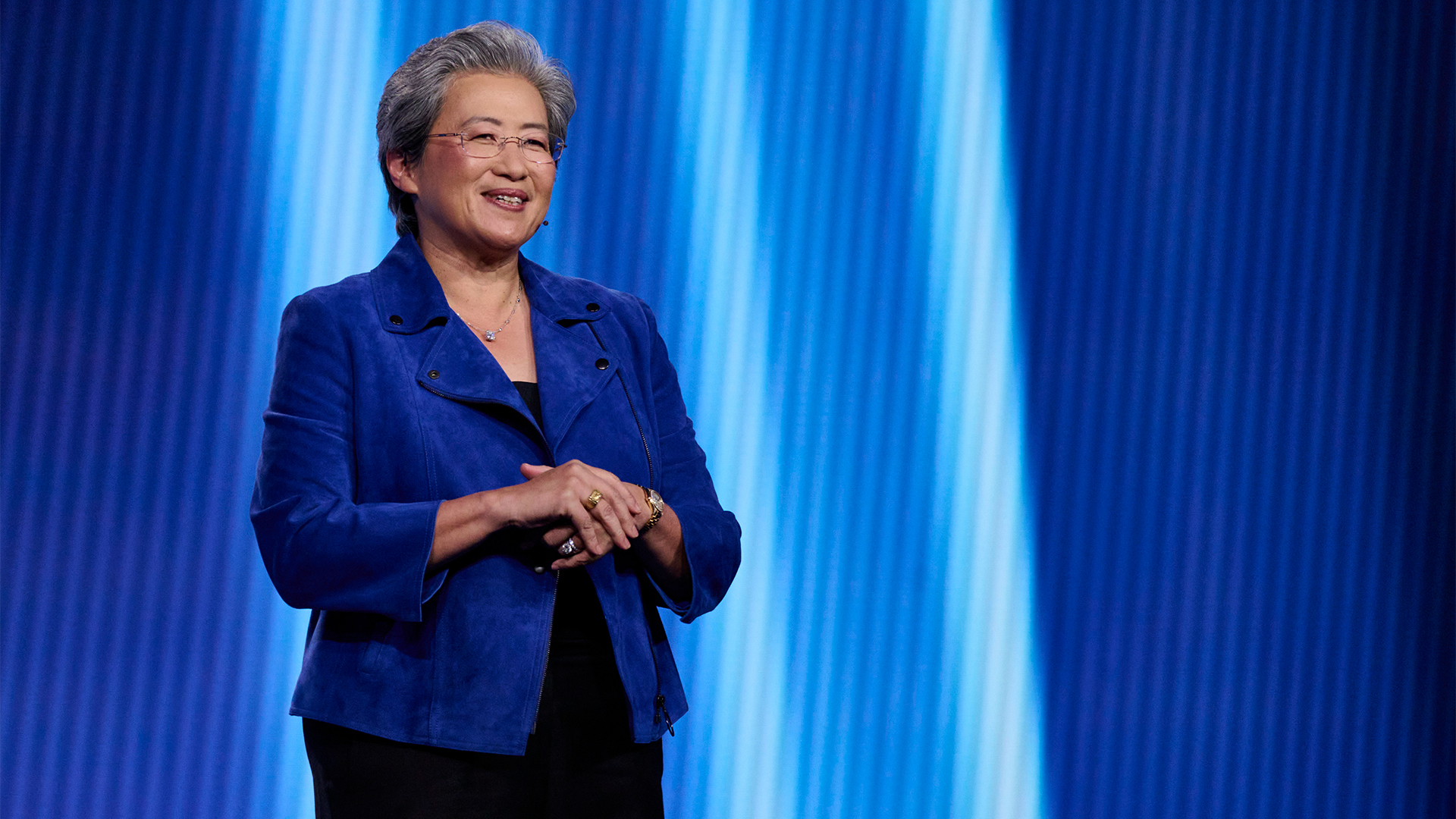 Lisa Su says AI is changing AMD’s hiring strategy – but not for the reason you might think
News AMD CEO Lisa Su has revealed AI is directly influencing recruitment practices at the chip maker but, unlike some tech firms, it’s led to increased headcount.
-
 Accenture acquires Faculty, poaches CEO in bid to drive client AI adoption
News The Faculty acquisition will help Accenture streamline AI adoption processes
-
 Productivity gains on the menu as CFOs target bullish tech spending in 2026
News Findings from Deloitte’s Q4 CFO Survey show 59% of firms have now changed their tune on the potential performance improvements unlocked by AI.


